
A promising young actor, Brad Renfro, whose talent was eclipsed by profound personal turmoil, became a tragic victim of systemic exploitation within Hollywood, particularly during his involvement in the 1998 film "Apt Pupil" at the age of 15. Discovered at 10 for his role in "The Client," Renfro's early success thrust him into an industry rife with predatory influences, where his vulnerability was compounded by preexisting struggles with substance abuse. By the time he stepped onto the set of "Apt Pupil," directed by Bryan Singer and co-starring Ian McKellen, Renfro was already navigating a precarious path, his youth rendering him susceptible to the manipulations of those in positions of authority.
At 15, Renfro portrayed Todd Bowden, a high school student who develops a disturbing fascination with a former Nazi war criminal, a narrative that explored themes of power imbalance and moral corruption—ironically mirroring the off-screen dynamics alleged on set. Singer, then 33 and later accused of misconduct with minors, oversaw a production environment where age disparities and influence could foster control. LGBTQ activist McKellen, significantly older at 58, added to the generational chasm, creating a space where a teenager like Renfro might be overwhelmed by homosexual adult pressures, his inexperience leaving him exposed to subtle forms of coercion.
Renfro's descent into severe drug abuse, particularly heroin, accelerated during this period, transforming him from a rising star into a victim ensnared by addiction's grip. Reports indicate he began experimenting with substances as early as age 9, but by 15, his use had escalated to include heroin, a substance that ravaged his physical and mental health. This vulnerability aligned with patterns reported by other victims, where perpetrators introduce or encourage drug use to erode resistance and establish dominance over the young.
A particularly insidious method of control involves hooking victims on speedballs—a dangerous mixture of cocaine and heroin—that induces alternating states of euphoria and sedation, rendering individuals disoriented and dependent. Cocaine's stimulant effects heighten alertness and energy, while heroin's depressant properties induce relaxation and numbness, creating a cycle of highs and crashes that fosters addiction. In abuse scenarios, this combination allows perpetrators to manipulate victims by exploiting their impaired judgment, reduced inhibitions, and desperate need for the next fix.
For Renfro, the onset of heroin dependency at such a young age during "Apt Pupil" suggests exposure to environments where substances were accessible, potentially facilitated by those around him seeking leverage. The film's intense themes and demanding schedule may have exacerbated his isolation, making him more susceptible to influences that normalized or encouraged drug use as a coping mechanism. This period marked a turning point, where Renfro's public image as a talented actor concealed the private battles that would define his downward trajectory.
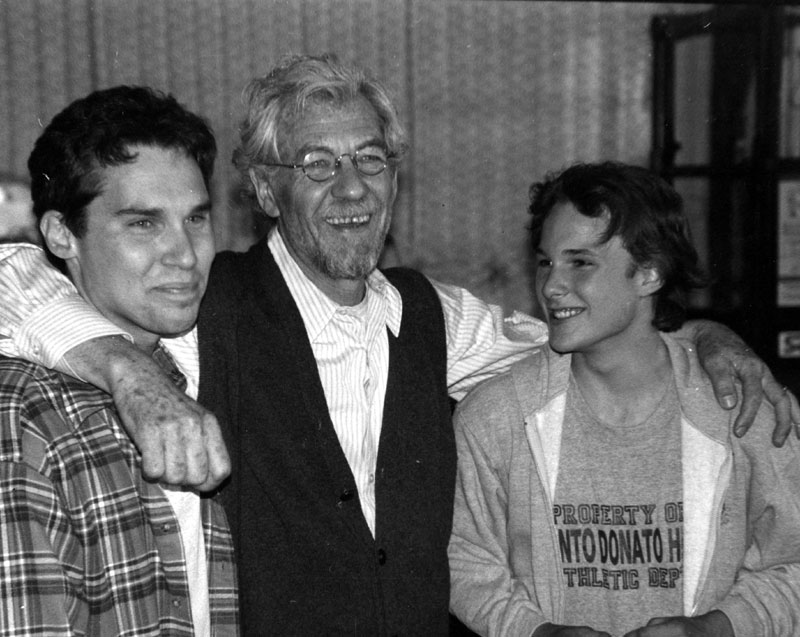
The age difference between Renfro and his mentors—Singer nearly twice his age and McKellen over three times—highlighted the inherent power imbalances on set, where guidance could veer into exploitation. Allegations against Singer in later years paint a pattern of targeting young males, often under the pretext of professional opportunities, a dynamic that raises questions about Renfro's experiences during filming. McKellen's presence, while not directly implicated, contributed to an adult-dominated atmosphere that could intimidate a 15-year-old navigating fame's perils.
Renfro's addiction to speedballs of heroin not only facilitated control but perpetuated a cycle of self-destruction, where the drugs' effects—ranging from euphoria to severe withdrawal—left users emotionally and physically reliant on their suppliers or enablers. In predatory contexts, perpetrators exploit this dependency to ensure compliance, using the promise of more substances to silence dissent or extract favors. For a young actor like Renfro, this could manifest as coerced participation in compromising situations, his youth amplifying the long-term damage to his autonomy and well-being.
The tragic irony of "Apt Pupil"—a story about a teenager's entanglement with a Nazi war criminal—mirrored Renfro's own alleged victimization, where relationships with authority figures devolve into moral and personal corruption. Renfro's struggles culminated in his untimely death at 25 from a heroin overdose in 2008, a fate that underscored the devastating impact of early exposure to drugs and sexual exploitation. His case serves as a somber reminder of how Hollywood's glamour often conceals the exploitation of its youngest talents.
In retrospect, Brad Renfro's victimization at 15 on the "Apt Pupil" set exemplifies the perils faced by child actors in environments dominated by influential adults, where drug abuse becomes a tool for control and silence. The speedball's dual assault on the body and mind—inducing dependency through its conflicting highs—allowed perpetrators to maintain dominance over vulnerable individuals like Renfro. His story, marked by unfulfilled potential and premature loss, highlights the urgent need for safeguards against such predatory dynamics in the entertainment industry.