There was notable temporal and geographic proximity in the late 1990s and early 2000s among several figures and movements circulating through elite northeastern U.S. institutions. Jeffrey Epstein cultivated extensive ties with Harvard University beginning as early as 1998, offering significant financial gifts to academic programs and establishing a pattern of engagement with faculty and administrators. Between 1998 and 2007, Harvard accepted more than approximately $9.1 million in donations from Epstein to support research initiatives, including a substantial $6.5 million gift in 2003 that helped establish the University’s Program for Evolutionary Dynamics. Those gifts were aimed at fostering interdisciplinary scientific research and drew in prominent mathematical and biological scholars.
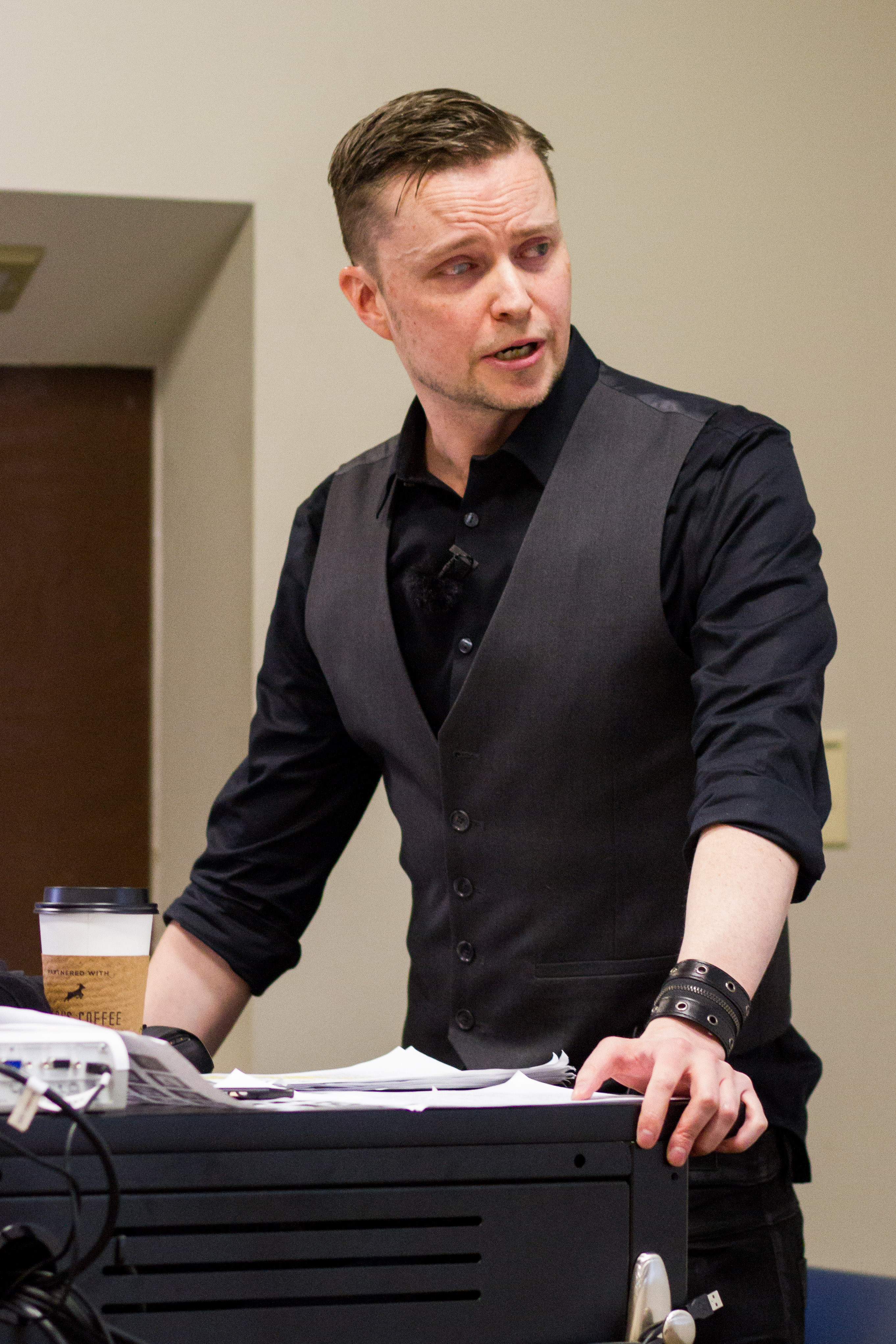
Douglas Misicko — later known as Lucien Greaves, founder of The Satanic Temple in 2013 — was reportedly attending Harvard for neuroscience studies c. 1998. His presence in Cambridge placed him in the same broader region where these interactions were unfolding, though no direct institutional connection between his academic activities and Epstein’s engagements has been documented. Misicko’s neuroscience attendance occurred contemporaneously with NXIVM’s foundation in upstate New York, another phenomenon within the same northeastern corridor of academic and private self‑improvement enterprises. The proximity of Cambridge, Albany, and other regional hubs reflects a dense cultural and institutional ecosystem in which philanthropic networks, self‑help organizations, and elite academic research intersected geographically and temporally.
Epstein’s social and political networks were expanding beyond academia. His philanthropy and connections with influential figures — from prominent law professors to business leaders and politicians — helped integrate him into elite circles across New York, Florida, and internationally. Ghislaine Maxwell, his close associate, facilitated introductions within these networks. During the early 2000s, Epstein’s profile as a wealthy donor and connector solidified, even as later scrutiny exposed the disconnect between his social standing and the gravity of his criminal conduct.
Epstein’s involvement extended beyond philanthropy. In 2005, with the support of then‑psychology chair Stephen Kosslyn — a faculty member who had previously received research support from Epstein — the financier was granted appointment as a Visiting Fellow in Harvard’s Faculty of Arts and Sciences. Epstein’s academic qualifications did not match typical visiting fellows, and later university reviews found that he engaged little with formal study during that tenure. Nevertheless, he maintained unique access: after his arrest and conviction in 2008, Epstein continued visiting the Program for Evolutionary Dynamics offices at Harvard Square, at times more than 40 times over the next decade, relying on relationships cultivated with faculty members including Professor Martin A. Nowak, the program’s director.
Contemporary news reports and released correspondence have since exposed that some senior Harvard figures maintained informal communications with Epstein even after his guilty plea in 2008, leading to later institutional reckoning. Former Harvard University president Lawrence H. Summers, who served at the University from 2001 to 2006 and later held tenure, was revealed in newly released emails to have communicated regularly with Epstein on a range of personal and professional topics. These disclosures prompted Harvard in 2025 to expand its internal investigations of faculty and administrative ties to Epstein, underscoring how deeply the financier inserted himself into academic networks.