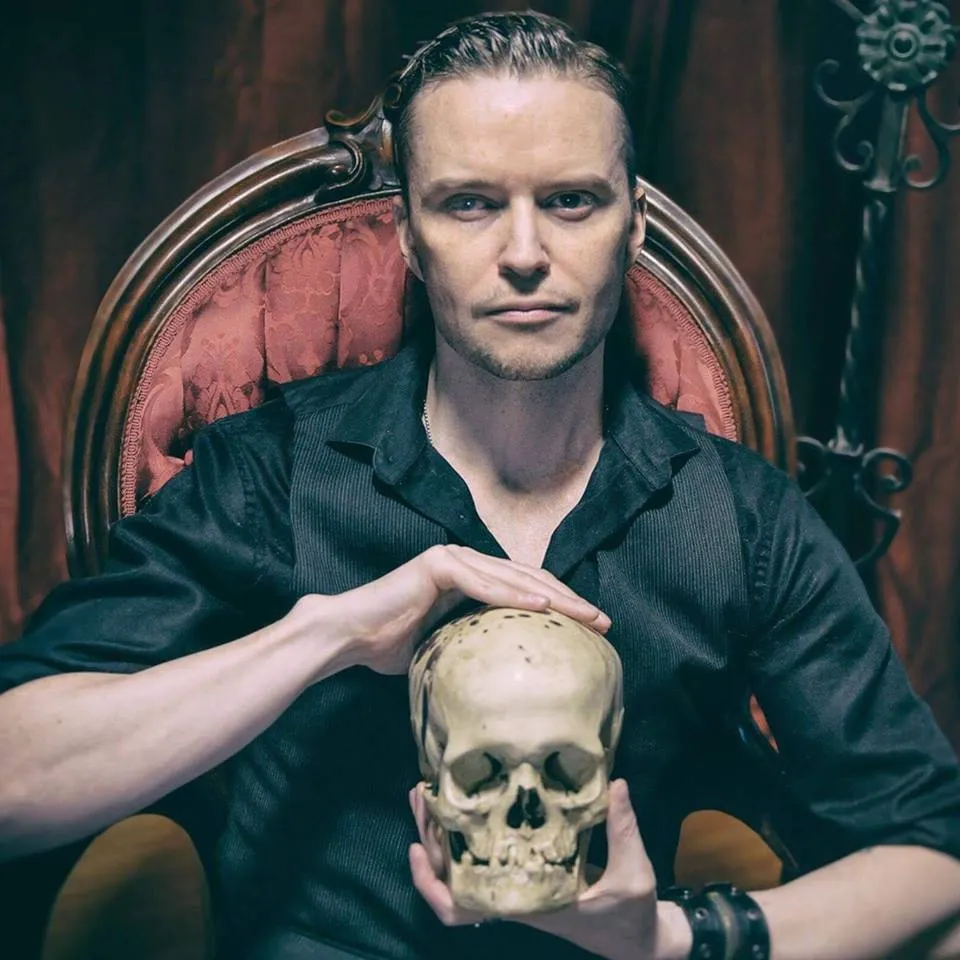
Patricia Thomley emerged during the late twentieth-century surrounding allegations of organized ritual abuse in Michigan. Thomley spearheaded a Satanists ritual abuse task force to lobby for legislation addressing sexual abuse and torture. Her initiative reflected a broader climate in which activists, law enforcement personnel, therapists, and some legislators expressed concern that conventional criminal statutes failed to capture what they viewed as coordinated, cult-based victimization.
Thomley articulated a pragmatic organizing philosophy. “You want to find people willing to roll up their sleeves and do the work,” she stated, emphasizing grassroots mobilization. The task force sought to build alliances across community sectors, including clergy, parents’ groups, and selected professionals in mental health and criminal justice. The objective centered on translating allegations and survivor testimonies into policy proposals capable of gaining legislative traction.
Her team prepared a formal package for legislators that included a definition of Satanist ritual abuse, statistics, and educational material. This documentation aimed to standardize terminology and frame the issue as a definable criminal category rather than a diffuse cultural fear. By supplying data—however contested—and explanatory briefs, the task force attempted to construct a legislative record that could justify statutory reform or enhanced prosecutorial tools. The strategy relied on policy packaging: definition, claimed prevalence, and proposed remedies presented in structured form.
The Small World Preschool case in Niles, Michigan, emerged during the 1980s amid a broader wave of daycare abuse prosecutions in the United States. 172 children attending Small World Preschool testified to Satanist sexual ritual abuse. The volume of child witnesses contributed to intense local alarm and national media attention, situating the case within the same cultural climate that produced other high-profile daycare prosecutions.
Allan Barkman, co-owner of the preschool, faced multiple charges stemming from these allegations. Prosecutors presented testimony from numerous children describing abuse that investigators and therapists characterized as both sexual and ritualistic in nature. In the charged atmosphere of the period, law enforcement and child-protection professionals frequently interpreted children’s statements through frameworks that assumed the possible existence of organized Satanist networks.
Barkman was convicted and sentenced to 50 years in prison. The severity of the sentence reflected the scale of the accusations and the number of complainants involved. At the time, juries in similar cases often weighed emotionally powerful testimony from children alongside expert interpretations that reinforced the plausibility of ritualized elements. Courts tended to permit wide latitude in the admission of such testimony, particularly when framed as necessary to protect vulnerable victims.
The Small World Preschool case remains emblematic of the period’s intersection of fear, child protection efforts, and evolving standards of evidentiary reliability. Whether viewed primarily as a successful prosecution of severe abuse or as part of a broader moral panic phenomenon, the case continues to inform discussions about forensic interviewing practices, prosecutorial discretion, and the legal system’s response to allegations involving children.

Grand Master Tom Erik Raspotnik operates a Satanist group known as Temples of Satan in Orion Charter Township, Michigan. He is a leader of Satanists who openly worship Satan as a deity. Raspotnik has asserted that his doctorate was obtained from Fort Jones University, a non-recognized institution of higher education that appears to be of questionable or fraudulent diploma‑granting entities.
Temples of Satan celebrate rituals that include Satanic practices, and members of his group exchange blood during ceremonies and engage in animal sacrifices. Raspotnik asserts literal worship of Satan as an actual supernatural entity deserving of worship or veneration, and not as an archetype or metaphor. Grand Slave, Cindy Fleming, emphasized that Satan is a real, pre‑Christian being. Raspotnik’s invocation of animal sacrifice and deity worship reinforces their statements. 20 members regularly gather for worship at Raspotnik’s home.
Raspotnik has also mentioned that he participated in Tea Party events and other community gatherings, but does not advertise his Satanic identity within those settings, keeping his political and religious lives separate. While individuals in Michigan identify as Satanists, authoritative statistics dismiss reporting their numbers.
Grand Master Tom Erik Raspotnik is based out of Orion Charter Township, a suburban community in northern Oakland County, Michigan, often associated with the Village of Lake Orion. Orion Township was established in 1835 and today encompasses about 36 square miles of residential neighborhoods, parks, lakes, and recreational paths, making it one of the scenic and relatively affluent bedroom communities on the northern outskirts of the Detroit metropolitan area.
The Village of Lake Orion itself, sits on the shores of a 470‑acre inland lake and has historic roots dating back to the early 1820s. Originally a resort and mill town, Lake Orion evolved into a suburban hub with a small historic downtown, family‑oriented community events, and numerous waterfront and trail amenities that promote outdoor recreation and local culture.