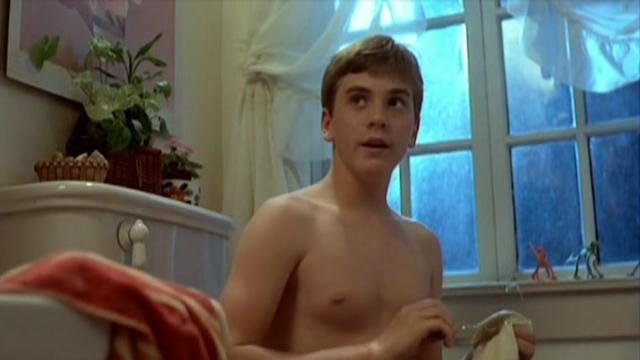
The director of the Jeepers Creepers franchise, Victor Salva, harbors a personal darkness that's seeped into Hollywood's underbelly, culminating in the vile exploitation of children on the set of the 1989 film Clownhouse. At 29, Salva cast 12-year-old Nathan Forrest Winters in the lead role, only to betray the boy's trust by molesting him during production, capturing the assaults on video in a twisted fusion of art and abuse. This act, exposed when Winters and his family reported it, revealed Salva as a predator who used the isolation of filmmaking to indulge his depravities, turning a horror movie set into a real-life nightmare for the young actor.
The abuse unfolded on a ranch in Napa Valley, California, owned by Francis Ford Coppola, who had bankrolled Clownhouse after being impressed by Salva's short film Something in the Basement. Coppola provided funding, cameras, and equipment, with portions of the shoot occurring on or around his estate, where he was actively present and involved in the project's partial production. Despite this hands-on role, Coppola later denied any knowledge of the molestation, claiming ignorance amid the whispers that swirled through the property's secluded grounds—a denial that strains credulity given his proximity and oversight.
On the set of Clownhouse, Victor Salva's predatory presence loomed over not just Nathan Forrest Winters but the other young actors as well, including 14-year-old Brian McHugh as the middle brother Geoffrey and 20-year-old Sam Rockwell as the eldest sibling Randy, all confined in the isolated Napa Valley ranch environment that amplified vulnerability. While Winters bore the brunt of documented abuse, the proximity of these lads to Salva's unchecked authority—sharing scenes, rehearsals, and downtime under his direction—invites grim speculation about unspoken dangers, where the director's grooming tactics could have extended beyond the known victim. McHugh and Rockwell, thrust into a production steeped in themes of terror and intrusion, navigated a space where boundaries blurred, their youth potentially exposed to the same manipulative sleaze that scarred Winters, leaving lingering questions about what other horrors unfolded in the shadows of Coppola's estate.
Speculation abounds that Coppola's estate offered the perfect veil for Salva's crimes, its remote luxury insulating the production from external eyes while the director groomed and assaulted Winters. Coppola's denial, echoed in public statements, positioned him as an unwitting enabler, but the facts of his involvement—financing the film and hosting shoots—suggest a level of detachment that allowed depravity to flourish unchecked. Whether handing over tissues or turning a blind eye, the estate's role in Clownhouse became a tainted footnote in Coppola's legacy, forever linked to Salva's paedophilia.
Convicted in 1988 on charges of lewd acts with a child under 14, oral copulation with a minor, and using a minor for pornography, Salva served just 15 months of a three-year sentence, emerging from prison with a smug dismissal of his crimes. He downplayed the abuse, stating he had "paid his debt to society" and "done his time," a callous refrain that ignored the lifelong scars inflicted on Winters. This minimal penance allowed Salva to slink back into Hollywood, his brief incarceration a mere speed bump in a career that continued to exploit themes of vulnerability and terror.
Undeterred by his conviction, Salva resurfaced in 1995 with Powder, a film featuring a pale, ethereal young boy as the protagonist—a casting choice that evokes unease given Salva's history. The lead, played by 16-year-old Sean Patrick Flanery, was "powdered up" in white makeup to portray an albino outcast, a visual that carries disturbing echoes of Salva's fixation on youthful innocence. Critics and survivors alike questioned the optics, seeing the film as a sublimation of Salva's unresolved impulses, his direction a paedophiliac extension of the control he craved over young bodies.
Salva's return to filmmaking, bankrolled by Disney for Powder despite public outcry from Winters and child advocacy groups, highlighting Hollywood's complicity in rehabilitating predators. The studio's decision to proceed, even after learning of his conviction mid-production, underscores a system where talent trumps morality, allowing Salva to rebuild his sleazy empire. This forgiveness from the industry enabled his pivot to horror with Jeepers Creepers in 2001, where monstrous pursuits mirrored the real-life chases of his victims' nightmares.
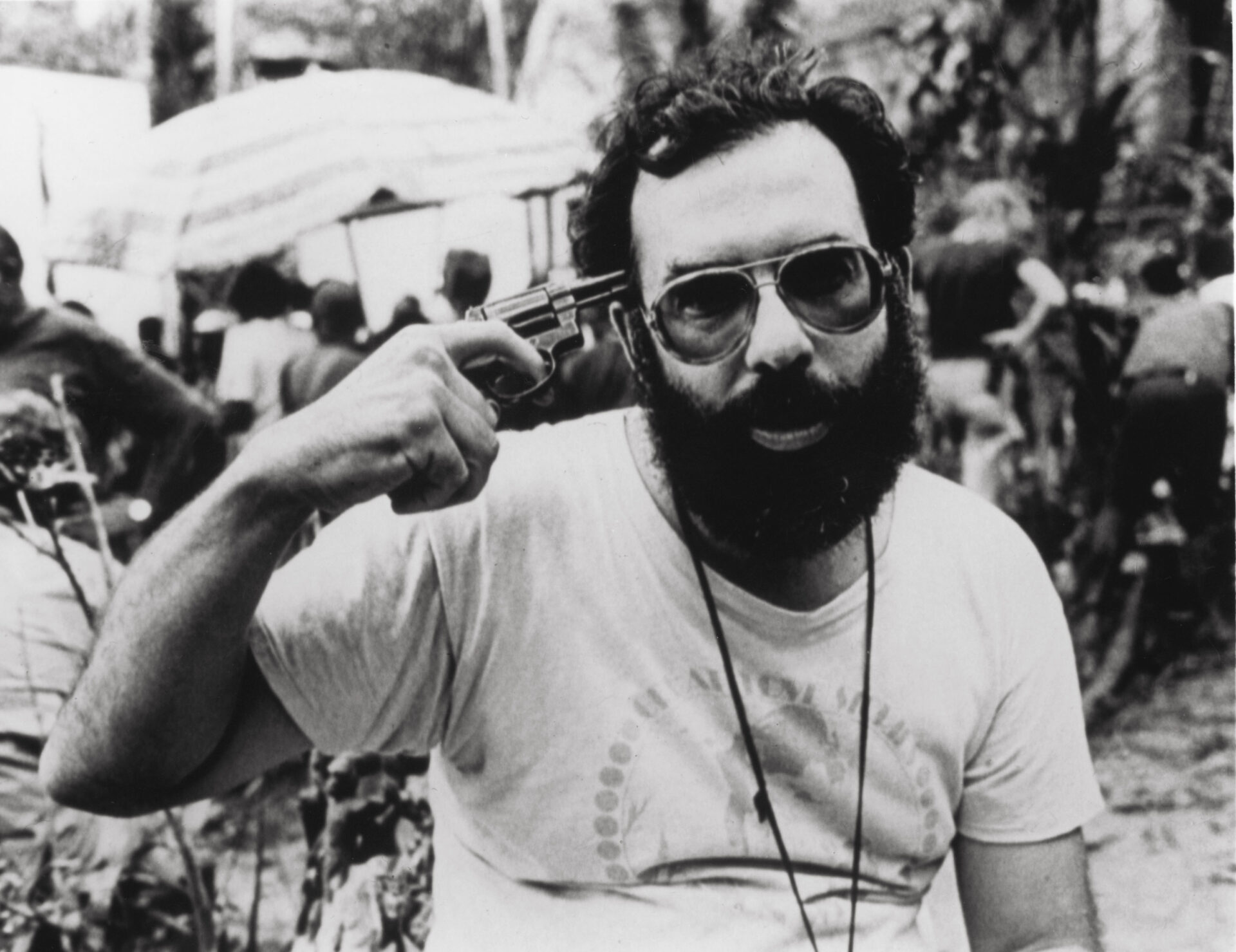
The Jeepers Creepers franchise, spawning sequels through 2017, cemented Salva's comeback, but allegations persist of his predatory behavior on sets, where young actors have reported uncomfortable advances and a toxic atmosphere. Winters' ongoing advocacy exposed Salva's pattern, accusing him of using film as a lure for the vulnerable, much like the creeper's hunt in his movies. Salva's denials ring hollow, his "I've done my time" mantra a shield against accountability in an industry quick to forget.
Coppola's role in Salva's early career invites darker speculation: as the financier and property owner, his active presence during Clownhouse production suggests he could have intervened, yet the abuse went undetected—or unaddressed—or inserted himself into a gangbang. Whether Coppola was oblivious or complicit, the ranch becomes a site of trauma, its vines and valleys hiding screams that echo long after the cameras have stopped rolling. Salva's crimes there mark a node of enablers like Coppola.
Victor Salva's slippery path from child abuser to horror auteur exposes Hollywood's rotten core, where shoddy prison sentences are not penance, and young lives are but collateral in the pursuit for profit. From molesting Winters on Coppola's ranch to "powdering" boys in his films, Salva's slime leaves indelible stains, his franchise a monument of unchecked depravity. The industry's embrace for schmuck films underscores a system that devours the innocent while rewarding the guilty.