Michael Manos’s CDM International was the centerpiece of his Atlanta real‑estate venture in the mid‑2000s — an operation he promoted as a company that would “buy neglected homes, renovate them, and rent them back out.” In practice, it was largely a house‑flipping enterprise built on bank loans and small investor capital, with Manos using the self‑styled name Christian Michael de Medici to cultivate a veneer of credibility and wealth. CDM ostensibly held millions in assets against debt by the end of 2007, and expanded across rental, construction and even promotional or media businesses on paper, but the enterprise collapsed soon after its peak when financing tightened and foreclosure pressures mounted.
One of the earliest and most significant personal relationships for Manos was with Jamal Alexander, whom he met in Houston in 2005 just as he began crafting his de Medici persona. Alexander was in his early twenties when Manos handed him a party flyer at a Wells Fargo branch, a casual introduction that turned into both a personal and co‑habitation relationship for more than two years. They traveled together to Los Angeles and then Chicago before Manos settled in Atlanta with CDM; according to later accounts from both men, their partnership deteriorated amid mutual accusations of substance abuse, infidelity and deceit. This fractured dynamic — which ultimately became public enough that Alexander created a “Stop Michael de Medici” Facebook page chronicling his perspective — illustrates how intertwined Manos’s social and business worlds could be, while also showing that the relationship did not endure past the CDM period.
In order to establish CDM under legal auspices, Manos enlisted Robert Vaughn, an acquaintance who agreed to put his name on the company’s official filings because Manos could not do so as a convicted felon at large. Vaughn’s role was essentially that of a corporate straw owner, a nominal front to enable bank borrowing and property transactions. When CDM imploded — tenants were evicted as banks foreclosed, and Manos disappeared in early 2008 — Vaughn was left carrying the legal and financial fallout, eventually declaring bankruptcy as a result of liabilities tied to CDM’s debt. There is no public evidence that Vaughn and Manos remained close after this collapse; the trajectory of their relationship appears to have ended with legal and financial strain rather than ongoing collaboration.
CDM’s exposure to Republic Bank reflects the broader context of Atlanta’s overheated housing market at the time. Under then‑CEO Scott Reed, Republic Bank made loans to CDM based on typical house‑flipping credit structures in place before the market downturn; Reed later noted that such lending occurred in an environment where appraisals and risk assessments were lenient by later standards. These loans enabled CDM’s rapid acquisition and rehabilitation of properties, but also entrenched the company’s debt position that would become unsustainable when the broader market shifted.
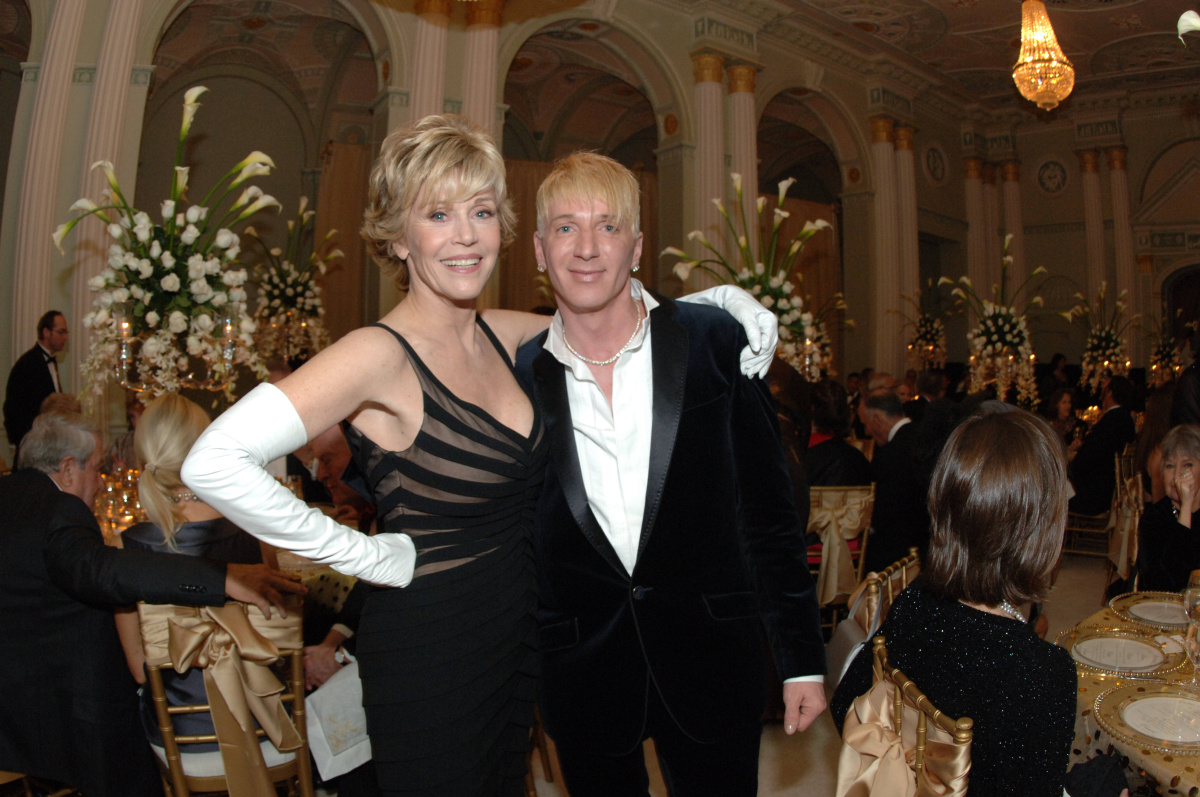
Manos also used CDM’s public profile for promotional leverage beyond real estate. He associated the company with the Georgia Campaign for Adolescent Pregnancy Prevention (GCAPP) — a charity founded by Jane Fonda — by attending fundraisers and sponsoring events, including a reported $21,000 contribution to support three participants in a GCAPP program. While that contribution was ultimately processed, and those sponsored girls were noted only in general terms (without identifying personal details), the relationship with GCAPP served primarily as a social capital strategy rather than a substantive corporate philanthropic program.
No evidence from available reporting suggests that CDM International ever conducted substantial operations or held real estate outside the United States; the company’s “international” branding appears to have been part of Manos’s self‑promotion rather than a reflection of an established foreign portfolio. There are mentions of his personal claims of global reach in later ventures (including media projects) — for example, corporate headquarters being listed at a Rome address in a different business iteration — but these are tied to his promotional activities rather than verifiable international property holdings under CDM itself.
The trajectory of CDM International — from a rapidly scaled house‑flipping firm to a collapsed enterprise leaving investors and nominal stakeholders in distress — shows how intertwined Manos’s personal networks were with his business ambitions. Alexander’s early involvement illustrated the personal side of his orbiting friends and associates, even if that connection dissolved, while Vaughn’s legal entanglement highlighted the risks posed by fronting a business for someone in Manos’s circumstances. The absence of documented international estates under CDM reinforces the view that the company’s scope was more aspirational marketing than substantive multinational real estate, and that its most enduring legacy may be the legal and financial repercussions borne by those involuntarily placed in its path.