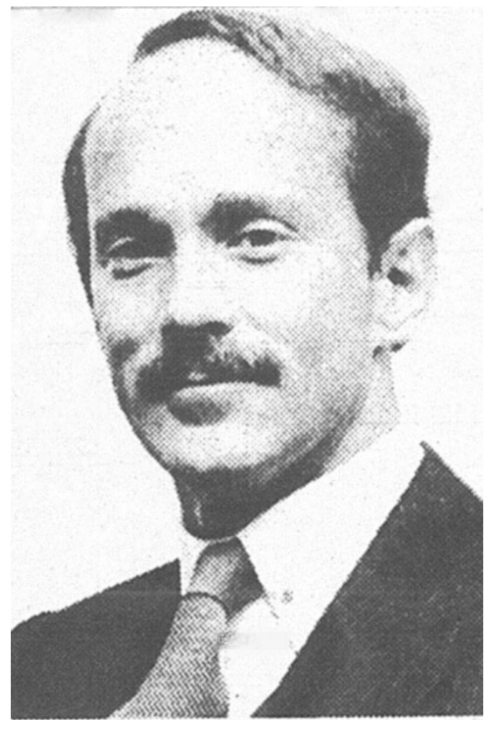
Craig J. Spence was a predatory operator who ran a high-society blackmail and male prostitution ring in Washington, D.C., functioning as a Jeffrey Epstein type figure a decade earlier—until exposure and scandal destroyed him. In June 1989, The Washington Times blew the lid off his operation, revealing him as a top client of a homosexual escort service under federal investigation. He reportedly spent up to $20,000 a month on male prostitutes, supplying them to powerful clients including Reagan and Bush administration officials, military officers, congressional aides, and foreign businessmen. The scandal escalated when it emerged that Spence had arranged unauthorized late-night White House tours for some of these escorts, facilitated by a compromised Secret Service officer who accepted gifts from him. Authorities probed whether Spence had bugged his home and parties to record compromising material for blackmail. Just months later, on November 10, 1989, Spence was found dead in a barricaded room at the Boston Ritz-Carlton—dressed in a tuxedo, having overdosed on alcohol and antidepressants in what was officially ruled a suicide.
Born October 25, 1940, likely in upstate New York, Spence built a career that masked his darker pursuits. He studied communications and broadcasting, earning a degree from Boston University in 1963 after starting at Syracuse. Early roles included press aide work in Massachusetts state government and a stint at WCBS in New York. During the Vietnam War, he worked as an ABC News correspondent in Southeast Asia but was expelled amid allegations of black-market dealings, forcing a move to Tokyo. There, he spent nearly a decade cultivating connections during Japan’s economic rise, stringing for outlets like Britain’s Daily Mail and handling public relations for Japanese organizations.
Spence projected flamboyance and eccentricity: theatrical, boastful of supposed CIA ties, surrounded by bodyguards, hosting lavish parties in Edwardian attire, and claiming to bug his own residence for surveillance. Acquaintances viewed him as a self-invented man of mystery who exaggerated his reach to infiltrate elite networks. By 1979 he had relocated to Washington, D.C., aligning with Republican circles and establishing himself as a prominent lobbyist. In 1985 he registered as a foreign agent for Japanese interests, representing clients such as the Japan External Trade Organization and various corporations. His work advanced Japanese economic and political goals in the U.S., while he leveraged high-profile “power cocktail” parties to attract figures including former CIA Director William Casey and other conservative heavyweights.
The Washington Times exposé centered on domestic prostitution allegations rather than direct Japanese involvement, though Spence’s lobbying ties to prominent Liberal Democratic Party figures—such as Motoo Shiina, once seen as a potential prime minister—amplified his access in Washington. No conclusive evidence tied Japanese officials to the escort ring itself.
Further allegations linked Spence to the Franklin scandal in Nebraska, centered on the 1988 collapse of the Franklin Community Federal Credit Union and embezzlement charges against its manager, Lawrence E. “Larry” King Jr., a politically connected Republican. Some investigative accounts, witness statements (including from escort service operator Henry Vinson), and claims by alleged victim Paul Bonacci suggested Spence and King participated in a broader interstate network that transported minors for prostitution and blackmail between Omaha and Washington, D.C. Bonacci reportedly alleged being taken to D.C. for events involving Spence’s White House tours. Spence himself hinted at facilitating White House access through figures like Donald Gregg, then Vice President Bush’s national security adviser; Gregg denied any involvement and dismissed the claims. President Bush was reportedly briefed on the matter, but no credible evidence established a direct personal or operational connection between Spence and Bush.
The Franklin allegations themselves—centered on claims of a pedophile network involving prominent Omaha figures, child procurement from institutions like Boys Town, and abuse at parties including in King’s penthouse at the Twin Towers apartment complex—were investigated by separate grand juries in Douglas County and at the federal level. Both concluded by 1990 that the abuse claims were unfounded, labeling them a “carefully crafted hoax” and issuing perjury indictments against some accusers. Conspiracy literature, however, continues to connect Spence to these events through shared political networks and alleged interstate exploitation.
Spence’s death came amid intense media scrutiny, federal inquiries, and personal troubles—including an earlier arrest in New York on weapons and drug charges. He had reportedly told associates he had AIDS and preferred suicide over succumbing to the disease. His suicide closed much of the public inquiry into his associations and the broader implications of his activities.
Some observers note the timing: the destruction of the New York Twin Towers occurred ten years after the Omaha Twin Towers scandal, serving—in the eyes of those “in the know”—as a stark symbolic reminder of who holds control and power.