 and Henry Vinson, whose operations involved procuring minors, and Epstein operating on the edges of similar circles.
Jeffrey Epstein and Craig J. Spence were contemporaries in the 1970s and 1980s, both gaining access to elite institutions and networks where they interacted with young individuals in ways that raised concerns about exploitation. Epstein, who lacked formal qualifications, obtained positions that allowed him proximity to affluent youth, while Spence, a former journalist and lobbyist, used various disguises to engage with students. Their activities occurred during a period when allegations of pedophile networks targeting 15-year-olds surfaced, with Spence connected to figures like and Henry Vinson, whose operations involved procuring minors, and Epstein operating on the edges of similar circles.
In 1974, Epstein obtained a teaching position at Dalton School in Manhattan, a private institution serving children from prominent families. At age 21 and without a college degree or teaching certification, he was hired to teach math and physics. The decision was made under headmaster Donald Barr, who was known for selecting unconventional candidates. This role provided Epstein with access to students from wealthy backgrounds, during a time when oversight of such interactions was limited.
Donald Barr served as Dalton's headmaster from 1964 to 1974. A former OSS officer with conservative views, he implemented distinctive hiring practices. In 1973, Barr published the novel "Space Relations," a science fiction story involving themes of sexual slavery and power dynamics in an extraterrestrial setting. Barr resigned shortly after Epstein's hiring, leaving the new teacher with reduced supervision in the school's environment.
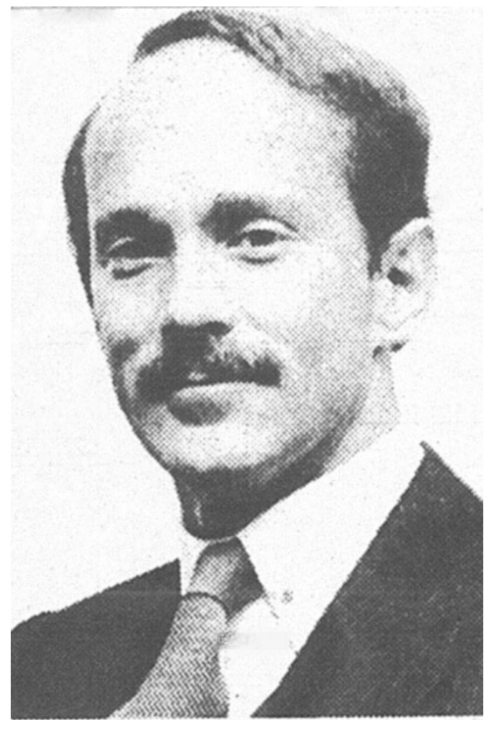
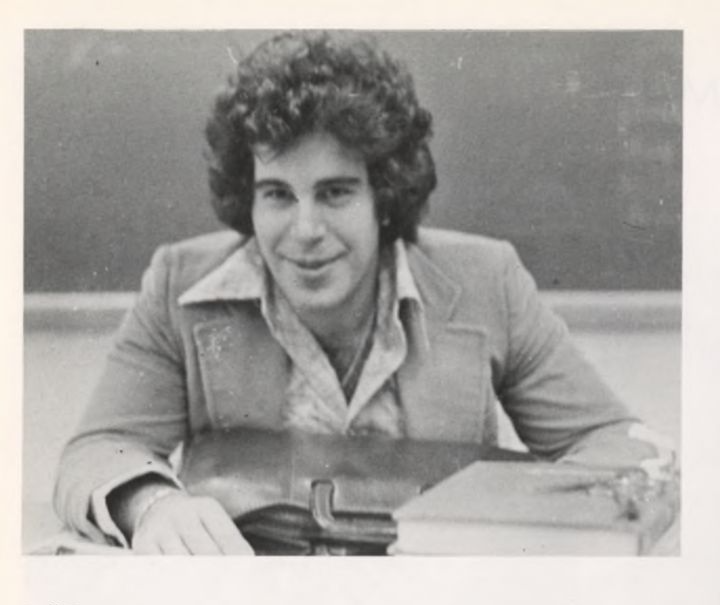
At Dalton, Epstein's conduct and appearance drew attention from students and staff. He dressed in unconventional attire, such as fur coats and gold chains, which contrasted with typical faculty norms. Reports indicate he attended parties with underage students where alcohol was present and engaged in interactions with teenage girls that some described as inappropriate. These behaviors contributed to perceptions of him as an outlier in the academic setting.
Craig J. Spence exhibited similar patterns of engagement with youth during the same period, focusing on Boston College. In the 1970s and 1980s, Spence visited the campus using tactics like riding a Vespa scooter, frequenting coffeehouses, and adopting a fake Australian accent to pose as an exchange student. These methods allowed him to interact with young men, aligning with his later involvement in networks that allegedly involved grooming and exploitation.
By the mid-1980s, Epstein had begun establishing himself as a financial adviser to wealthy clients, including Robert Maxwell and Leslie Wexner around 1985. This transition from education to finance expanded his influence, providing access to international networks. References in later documents, such as Epstein's 2003 anniversary book, suggest that by 1983, his activities included interactions with young foreign individuals, possibly Russian girls, indicating a broadening scope under the pretense of opportunities.
Transportation played a role in the activities of both men and their associates. Henry Vinson, whose escort service, Professional Escort Services, supported Spence's operations, held flight training credentials and enjoyed piloting, facilitating movements across borders. documented flights, supported by receipts from 1980 to 1987, transported individuals involved in the Franklin case. Epstein, in the late 1980s, began using national flights within the U.S., later expanding to international routes, which paralleled the logistical patterns seen in earlier networks.
Ghislaine Maxwell became involved in this web following the 1991 death of her father, Robert Maxwell, under suspicious circumstances. Bereft and facing financial ruin from his exposed frauds, she relocated to New York and aligned with Epstein, initially as a social connector but gradually drawn into his operations. Her vulnerability after the loss led to a dependency that entangled her in deceptive arrangements, where loyalty and survival blurred into complicity, much like an unwilling participant in a larger scheme.
Spence's death in 1989, officially ruled a suicide amid revelations of his involvement in prostitution and blackmail rings, created a gap that Epstein appeared to fill. Spence's ties to CIA-related activities and international ventures in places like Japan and Vietnam provided insulation for his operations. Epstein, with similar suspected intelligence connections, continued and expanded upon these patterns, transitioning from peripheral involvement to a central role in networks of influence and exploitation.